
The Malaysian road tax calculator determines tax based on vehicle type, engine capacity, and registration details road tax calculator malaysia. Cars and SUVs face progressive rates from RM20 (up to 1,000 cc) to RM2,160 (above 4,000 cc), while motorcycles range from RM2 (150 cc or less) to RM120 (above 500 cc). Additional factors include vehicle age, fuel type, and regional policies. This guarantees precise, equitable taxation aligned with road usage and emissions standards. Further insights explain the nuances influencing these calculations.
Calculating Road Tax for Cars, SUVs, and Motorcycles
How is road tax calculated for different vehicle categories in Malaysia? The calculation primarily depends on engine capacity, measured in cubic centimeters (cc).
For cars and SUVs, rates increase progressively with engine size, starting at RM20 for engines up to 1,000 cc and reaching RM2,160 for engines exceeding 4,000 cc.
Motorcycles follow a different scale, beginning at RM2 for 150 cc or less and up to RM120 for engines above 500 cc.
This tiered structure guarantees proportional taxation aligned with vehicle type and engine power, facilitating an equitable system that balances revenue with user freedom on Malaysian roads.
What Affects Your Malaysian Road Tax?
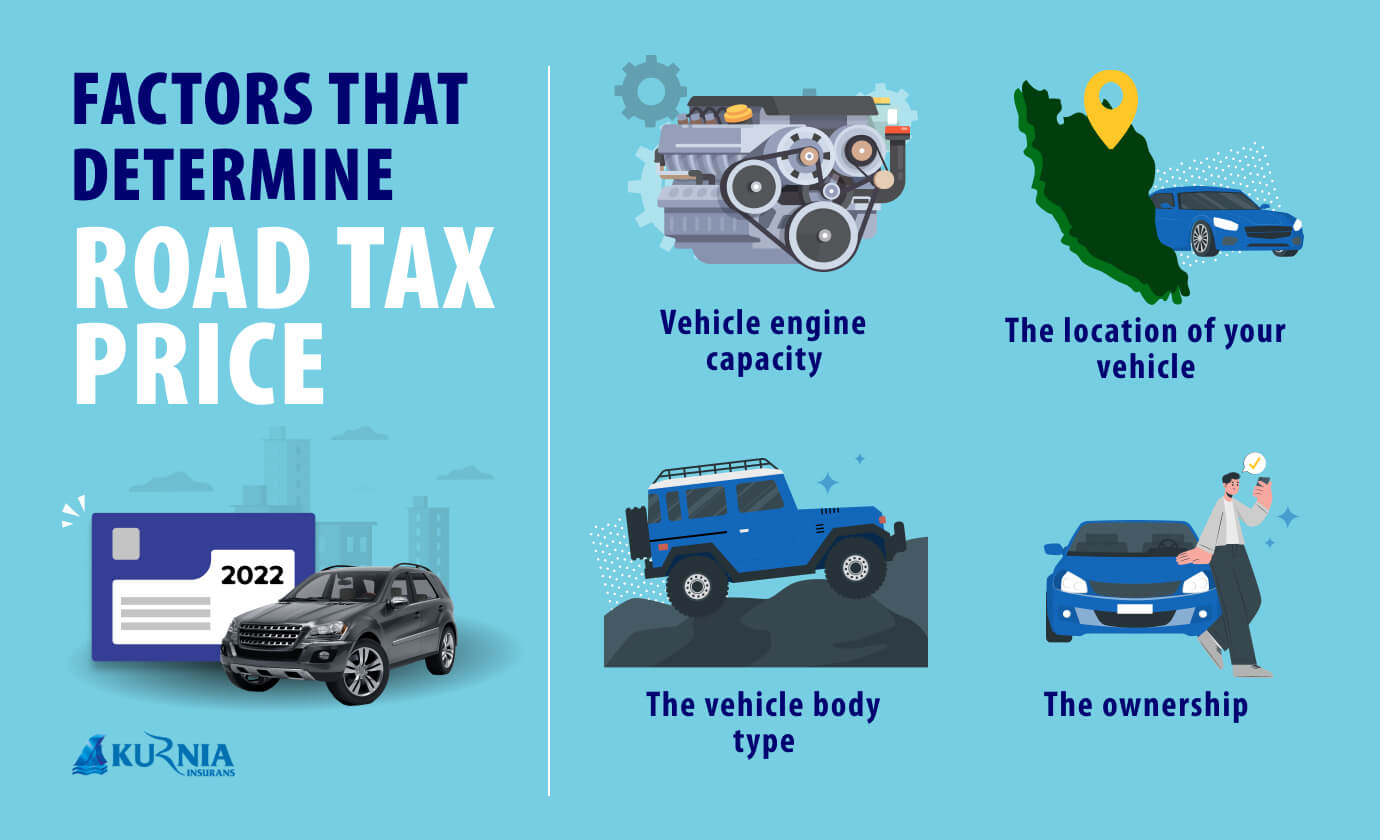
Road tax in Malaysia is influenced by multiple variables beyond engine capacity, which establishes the baseline rates.
Vehicle type—car, SUV, or motorcycle—directly impacts tax brackets, with heavier vehicles typically incurring higher charges.
Vehicle age affects depreciation value and may lead to adjusted rates.
Fuel type also matters; electric and hybrid vehicles often benefit from exemptions or reductions.
Registration location influences rates due to regional policies.
Additionally, modifications impacting emissions or vehicle classification can alter tax obligations.
These factors combine systematically, shaping precise road tax calculations aligned with regulatory frameworks and promoting equitable taxation across diverse vehicle categories.
How to Use a Road Tax Calculator for Malaysian Vehicles
Calculating vehicle tax obligations in Malaysia requires accurate input of specific data points into a dedicated calculator tool. Users must enter details such as vehicle type, engine capacity (cc), registration year, and sometimes vehicle age or fuel type.
The calculator processes this data against current tax rate tables to generate precise road tax amounts. This systematic approach eliminates guesswork, enabling vehicle owners to anticipate financial liabilities efficiently.
How Road Tax Rates Differ for Cars, SUVs, and Motorcycles
Why do tax rates vary considerably among different vehicle categories in Malaysia? The primary factors influencing these differences include:
- Engine Capacity: Road tax is scaled with engine displacement; larger engines incur higher taxes, impacting SUVs more than motorcycles.
- Vehicle Weight and Size: Heavier vehicles like SUVs attract higher road tax due to greater road wear and environmental impact.
- Usage and Emission Standards: Motorcycles generally have lower emissions and smaller engines, resulting in reduced tax rates compared to cars and SUVs.
These distinctions ensure tax rates reflect each category’s environmental footprint and infrastructure impact, aligning with regulatory and fiscal policies.
Money-Saving Tips for Renewing Malaysian Road Tax
How can Malaysian vehicle owners optimize their expenses when renewing road tax? Strategic timing and vehicle classification analysis are key.
Renewing road tax just before expiration avoids penalties, while multi-year renewals can reduce administrative costs.
Owners should verify accurate engine capacity data, as rates correlate directly with this metric.
Utilizing authorized online platforms minimizes processing fees and time.
Additionally, shifting to fuel-efficient or lower-capacity vehicles can yield long-term savings due to tiered rate structures.
Employing these data-backed approaches empowers owners to retain financial freedom while complying with statutory obligations efficiently and cost-effectively.
Conclusion
Calculating road tax in Malaysia involves analyzing engine capacity, vehicle type, and usage. Cars, SUVs, and motorcycles are taxed differently based on these parameters, with SUVs typically incurring higher rates due to larger engines. Utilizing a road tax calculator enhances accuracy and convenience, enabling precise cost estimation. Strategic renewal timing and understanding applicable discounts can yield significant savings. Overall, an analytical approach to road tax calculation guarantees compliance and financial efficiency for Malaysian vehicle owners.
About The Author
